Septic Leach Field Installation Costs
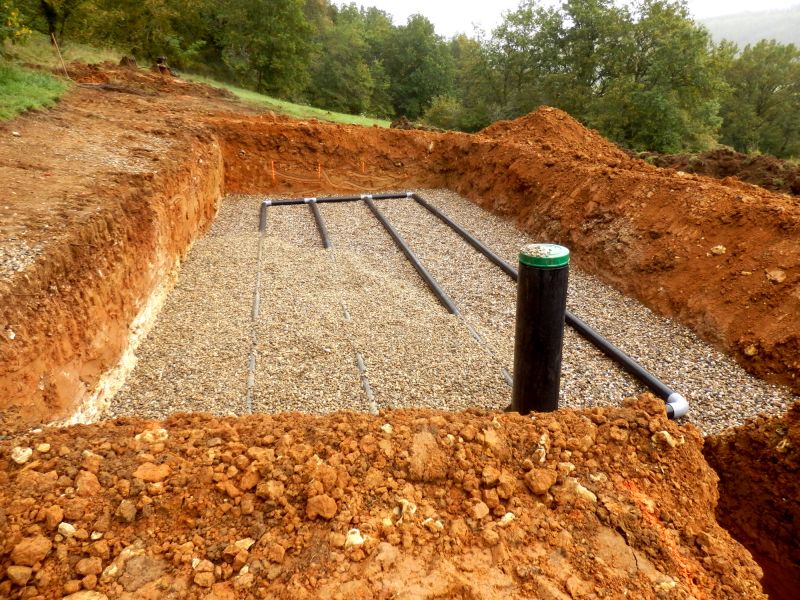
Soil type significantly affects installation costs, with sandy soils typically being easier and less expensive to excavate compared to clay or rocky soils.
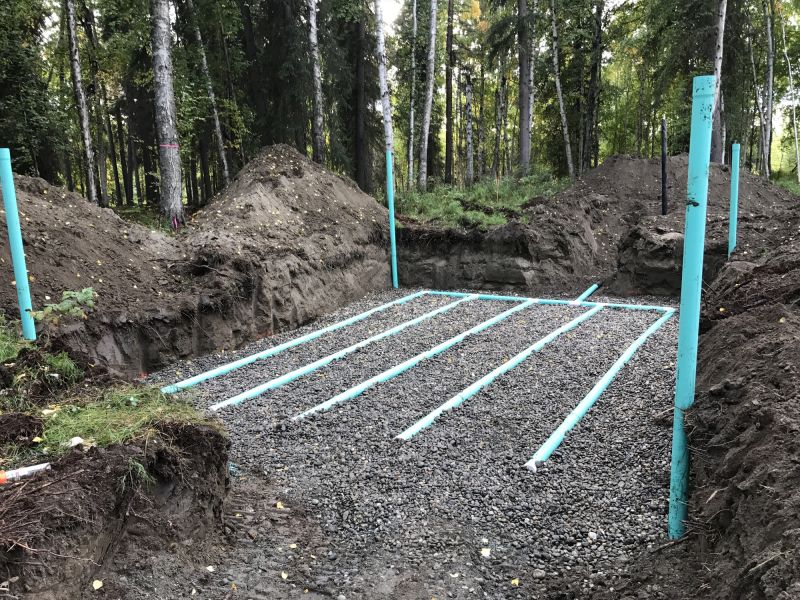
Larger properties require more extensive leach field systems, increasing material and labor costs.
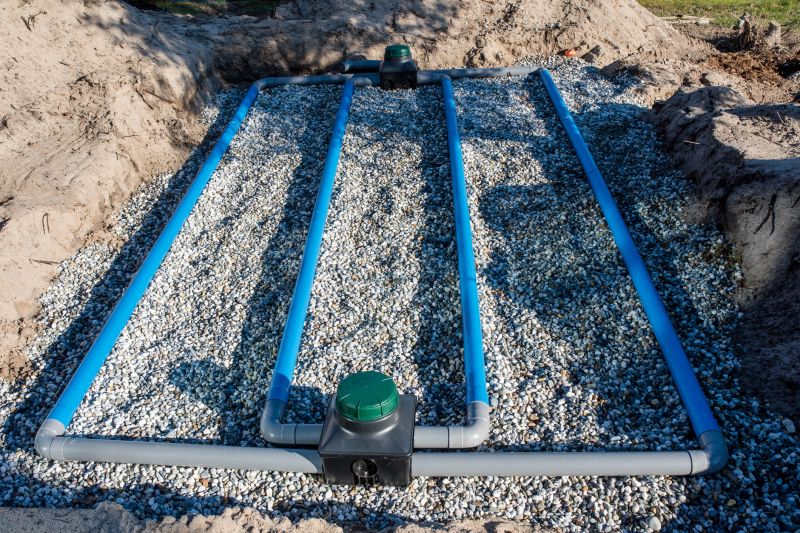
Complex terrain or restricted access can lead to higher labor costs and longer installation times.
| Factor | Impact on Cost |
|---|---|
| Soil Type | Sandy soils reduce costs; clay or rocky soils increase costs |
| Site Size | Larger sites require more materials and labor |
| Number of Leach Lines | More lines increase overall expense |
| Permitting Requirements | More permits can add to costs |
| Accessibility | Difficult access raises labor costs |
| Depth of Installation | Deeper installation involves more excavation work |
| Type of Leach Field | Traditional gravel beds vs. alternative systems |
| Local Regulations | Strict codes may influence costs |
Factors such as soil permeability, the presence of groundwater, and the need for additional drainage or filtration systems can influence the final price. Engaging with experienced professionals can help optimize the installation process and manage costs effectively.
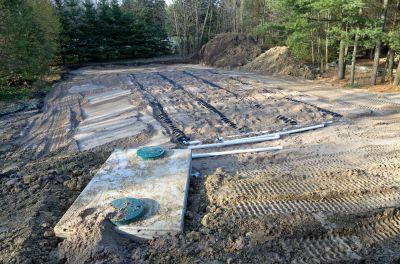
Different materials and designs for leach fields can impact installation costs, with advanced or specialized systems typically costing more.
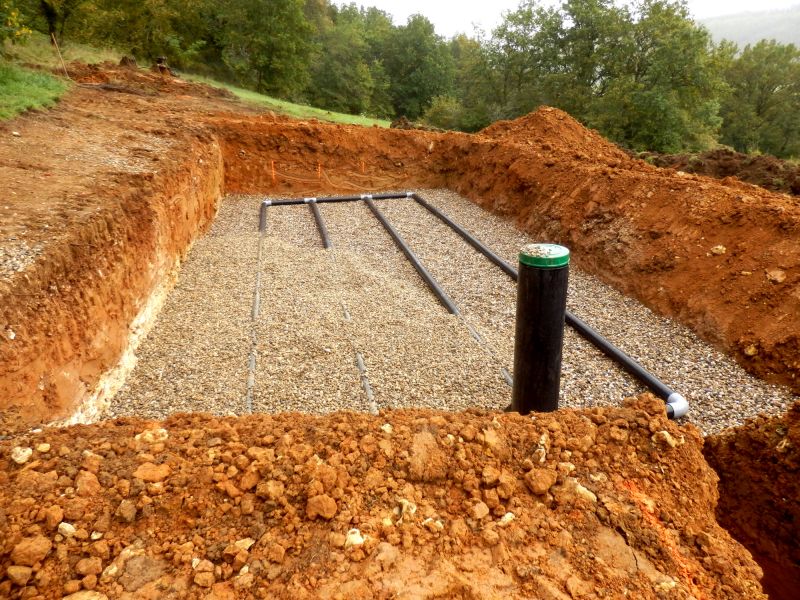
Additional drainage or filtration components add to the overall expense but improve system performance.
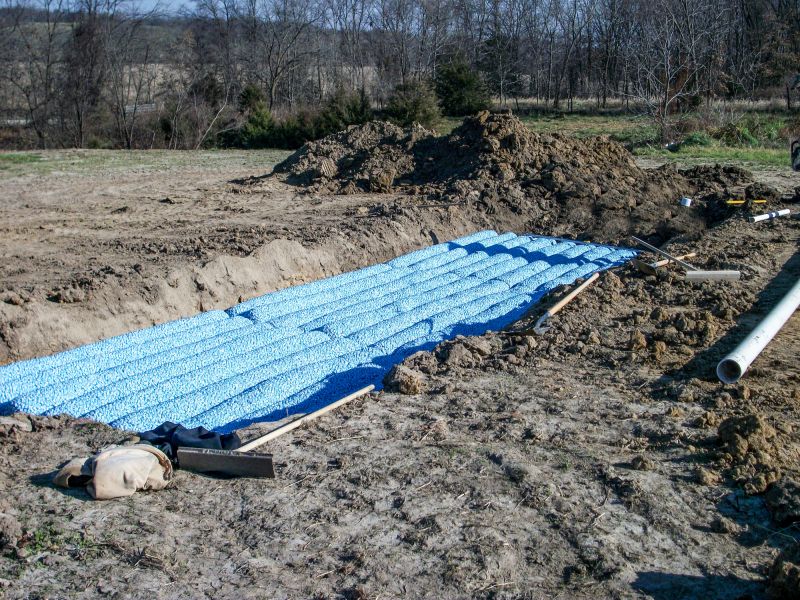
Post-installation testing ensures system functionality and can influence the total cost.
| Related Services | Average Cost |
|---|---|
| Septic System Inspection | $300 - $600 |
| Septic Tank Pumping | $200 - $400 |
| Septic System Repair | $1,000 - $3,000 |
| Septic Tank Replacement | $3,000 - $7,000 |
| Drain Field Repair | $2,000 - $5,000 |
| Septic System Maintenance | $200 - $500 annually |
| Soil Testing for Leach Field | $500 - $1,200 |
| Permitting and Inspection Fees | $300 - $1,000 |