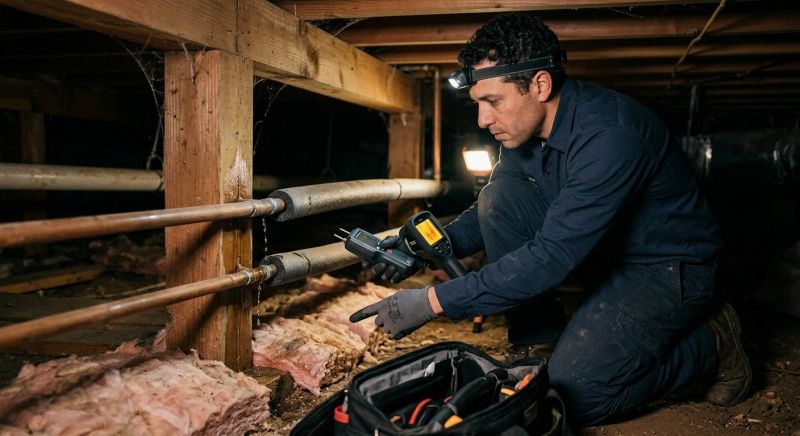
Water Leak Detection in Denver, CO
Water leak detection services involve identifying the source of hidden leaks within a property’s plumbing system, walls, floors, or underground lines. These services are essential for diagnosing leaks in various projects, including slab leaks, pipe bursts, or concealed leaks behind walls and ceilings. Property owners typically seek leak detection when noticing unexplained increases in water bills, damp spots, mold growth, or persistent musty odors, aiming to pinpoint issues before they cause extensive damage or costly repairs.
Before requesting water leak detection, homeowners should gather information about the location of suspected leaks, any recent plumbing work, or changes in water usage patterns. It’s helpful to know if there are visible signs of water damage, such as stains or warping, and to understand the layout of the plumbing system. This information can assist in accurately assessing the scope of the problem and ensuring that the detection process is as efficient and effective as possible.
Many property owners in Denver, CO look into Water Leak Detection for repairs, replacements, upgrades, and appearance-related improvements.
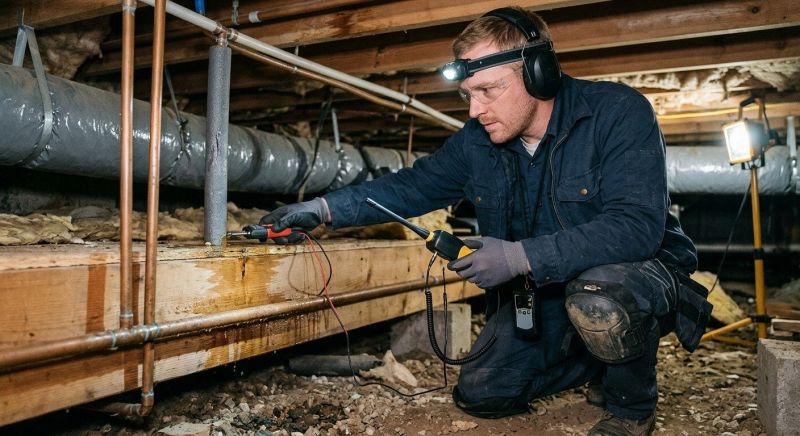
Identifying Hidden Leaks
Advanced detection methods reveal leaks behind walls and underground that are not visible.
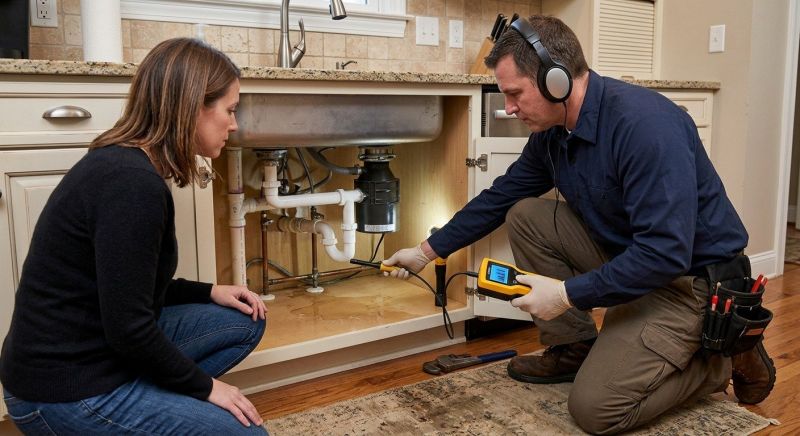
Preventing Water Damage
Early detection helps avoid costly repairs and property damage caused by undetected leaks.
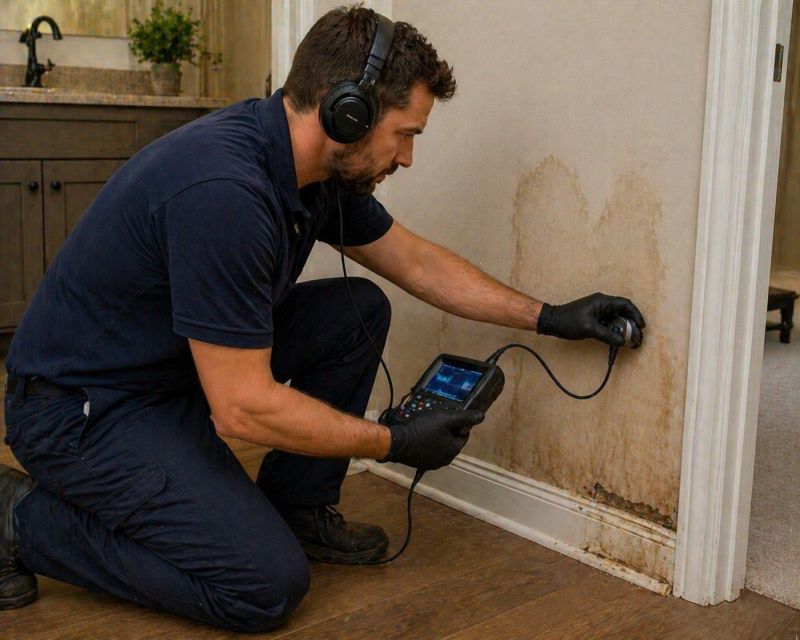
Efficient Leak Location
Accurate pinpointing of leak sources ensures targeted repairs and minimizes disruption to your property.
Water Leak Detection in Denver, CO

Water leak detection services involve identifying the source of hidden leaks within a property’s plumbing system, walls, floors, or underground lines. These services are essential for diagnosing leaks in various projects, including slab leaks, pipe bursts, or concealed leaks behind walls and ceilings. Property owners typically seek leak detection when noticing unexplained increases in water bills, damp spots, mold growth, or persistent musty odors, aiming to pinpoint issues before they cause extensive damage or costly repairs.
Before requesting water leak detection, homeowners should gather information about the location of suspected leaks, any recent plumbing work, or changes in water usage patterns. It’s helpful to know if there are visible signs of water damage, such as stains or warping, and to understand the layout of the plumbing system. This information can assist in accurately assessing the scope of the problem and ensuring that the detection process is as efficient and effective as possible.
Many property owners in Denver, CO look into Water Leak Detection for repairs, replacements, upgrades, and appearance-related improvements.
Common Water Leak Detection Jobs
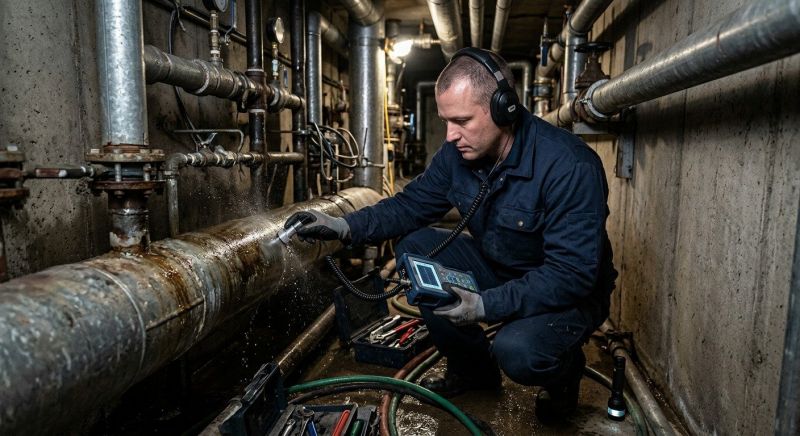
Leak detection in plumbing systems - identifies hidden leaks behind walls and under floors.
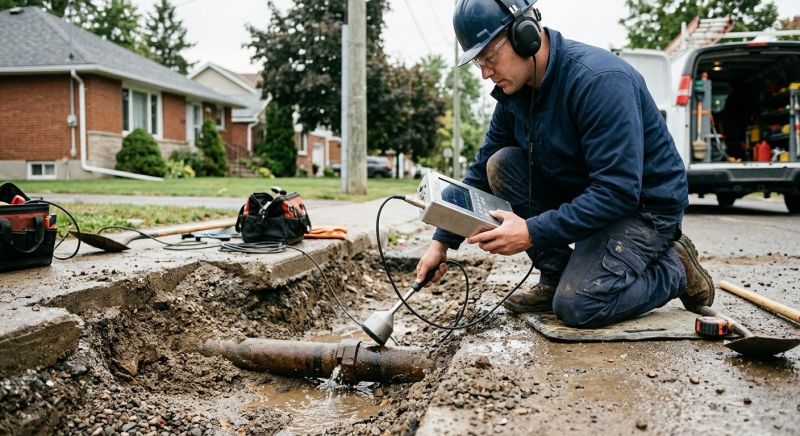
Underground water line testing - locates leaks in buried water supply lines.
Ceiling and wall leak detection - finds leaks causing water stains and damage inside the home.
Sprinkler system leak detection - detects leaks in irrigation systems to prevent water waste.
Appliance leak detection - identifies leaks from washing machines, dishwashers, and water heaters.
Flood prevention services - helps prevent water damage through early leak identification.
Water Leak Detection Questions
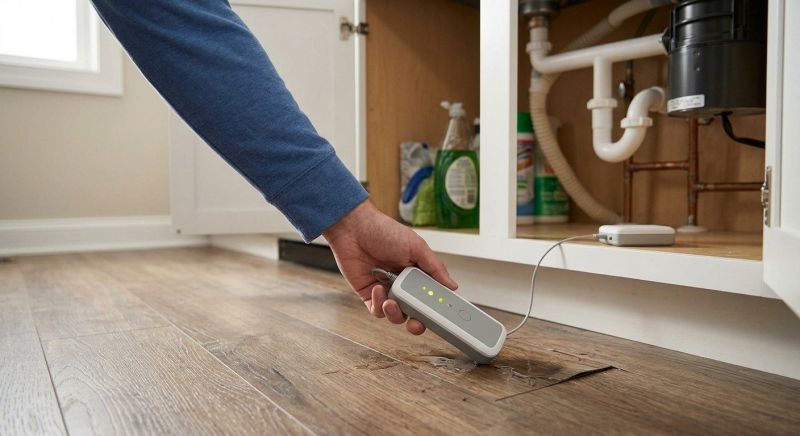
How can I tell if I have a water leak? Signs include unexplained increases in water bills, damp spots on walls or floors, and the sound of running water when no fixtures are in use.
What areas are typically checked during leak detection? Common areas include pipes behind walls, under floors, in basements, and within appliances like water heaters and washing machines.
Are water leaks hidden or obvious? Many leaks are hidden behind walls or under slabs, making them difficult to detect without specialized equipment.
Why is early leak detection important? Identifying leaks early can prevent water damage, mold growth, and costly repairs over time.
Request Water Leak Detection in Denver, CO
Use the quote form on this page to share the basics of your project and request more information for the type of work you need.